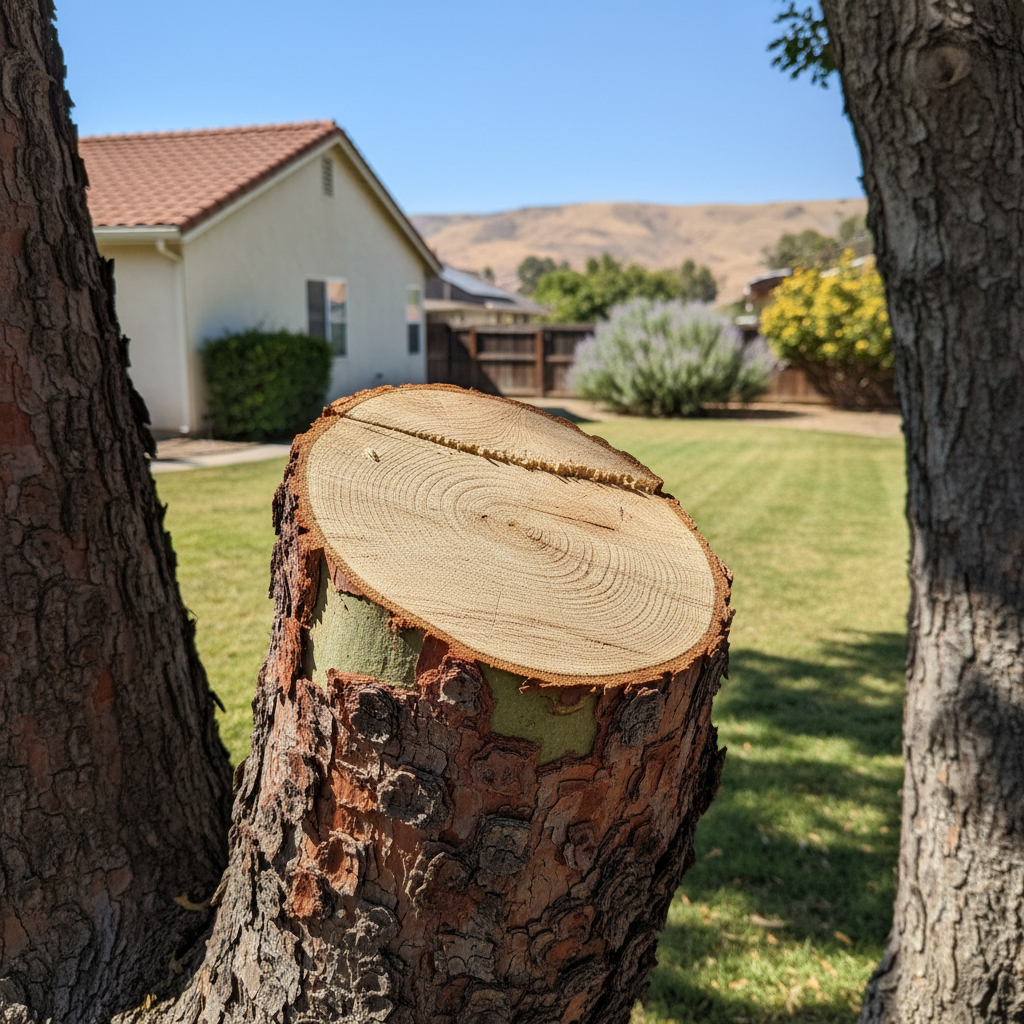
Alright, let's talk about tree pruning. It's one of those jobs many homeowners think they can just tackle with a ladder and a saw, and sometimes, you absolutely can. But other times, you're better off leaving it to someone who does this for a living. I've seen it all out here in Atwater, from perfectly trimmed young fruit trees to big old oaks that got butchered by an enthusiastic but clueless homeowner. So, here's what you need to know before, during, and after you start messing with your trees.
Before You Even Think About Cutting
First off, why are you pruning? That's the most important question. Are you trying to shape a young tree? Removing dead or diseased branches? Clearing limbs away from your roof or power lines? Or maybe you're just looking to get more light into your yard? Knowing your goal will dictate how you approach the job.
Next, look at the tree itself. What kind is it? A young citrus tree is a lot different from a mature sycamore. And what's the season? Generally, the dormant season (late fall to early spring, before buds break) is best for most structural pruning. Pruning in summer is usually for removing dead wood or slowing growth. If you're dealing with a flowering tree, you'll want to prune it after it blooms, so you don't cut off all the flowers for next year. Here in the Central Valley, we get those hot, dry summers, so avoid heavy pruning when it's scorching, as it can stress the tree.
Finally, assess your skills and equipment. Do you have sharp, clean tools? Hand pruners for small stuff, loppers for branches up to an inch or two thick, and a hand saw for anything bigger. If you're going to be on a ladder, make sure it's stable and you're comfortable working from it. If you're looking up at a branch that's thicker than your arm, higher than your head, or near power lines, put the tools down. Seriously. That's when you call someone like us at Coastal Tree.
What You Can Realistically DIY
You can definitely handle a lot of the basic stuff yourself, especially on younger trees or for maintenance pruning on smaller ones. Here's what's usually safe for a homeowner:
- Removing dead, diseased, or damaged branches. These are easy to spot and usually don't require complex cuts. Just make sure to cut back to healthy wood.
- Pruning suckers (shoots growing from the base of the tree) and water sprouts (fast-growing vertical shoots on branches). These are often weak and just suck energy from the tree.
- Light shaping of young trees to establish a good structure. Think about removing crossing branches or those growing inward.
- Clearing small branches that are rubbing against each other.
When you do cut, make clean cuts. Don't leave stubs, as those can invite pests and disease. Cut just outside the branch collar – that slightly swollen area where the branch meets the trunk or a larger branch. And always wear safety glasses and gloves!
When to Call Coastal Tree (or another pro)
This is where most homeowners get into trouble. There are some jobs that are just too risky or require specialized knowledge and equipment. Don't try to be a hero when:
- The branch is large. Anything over 2-3 inches in diameter is usually best left to a pro. Large branches are heavy and can fall unpredictably, causing serious injury or property damage.
- The tree is tall. If you need a ladder taller than 10-12 feet, or you're working above your head with a pole saw on a big tree, you're in the danger zone. Falls from ladders are no joke.
- Branches are near power lines. This is a huge one. Even if they don't look like they're touching, electricity can arc. Always call the utility company first if branches are near lines, and then a professional arborist.
- You're dealing with a diseased or infested tree. Some diseases need specific handling to prevent spread, and a pro will know what to look for and how to treat it.
- You need significant structural pruning or tree removal. Shaping a mature tree for long-term health and stability, or taking down a whole tree, requires expertise. We know how to make the right cuts to promote healthy growth, not just hack away.
- You're not sure. If you have any doubt about whether you can do it safely or correctly, just call. It's always cheaper to hire a pro than to pay for emergency room visits or roof repairs. We're right here in Atwater, and we've got the gear and the know-how to handle those big jobs, especially with some of the older, established trees you see in neighborhoods like the Applegate area.
After the Pruning
Once the cutting is done, clean up your tools. Sharpen and disinfect them, especially if you were cutting diseased wood (a bleach solution works). Dispose of the branches properly. Your tree will likely look a bit sparse for a while, but it'll fill out. Keep an eye on it for any signs of stress or disease, and make sure it's getting enough water, especially during our dry spells.
Pruning is essential for tree health and safety, but it's not always a DIY project. Know your limits, stay safe, and don't hesitate to call in the cavalry when you need to.