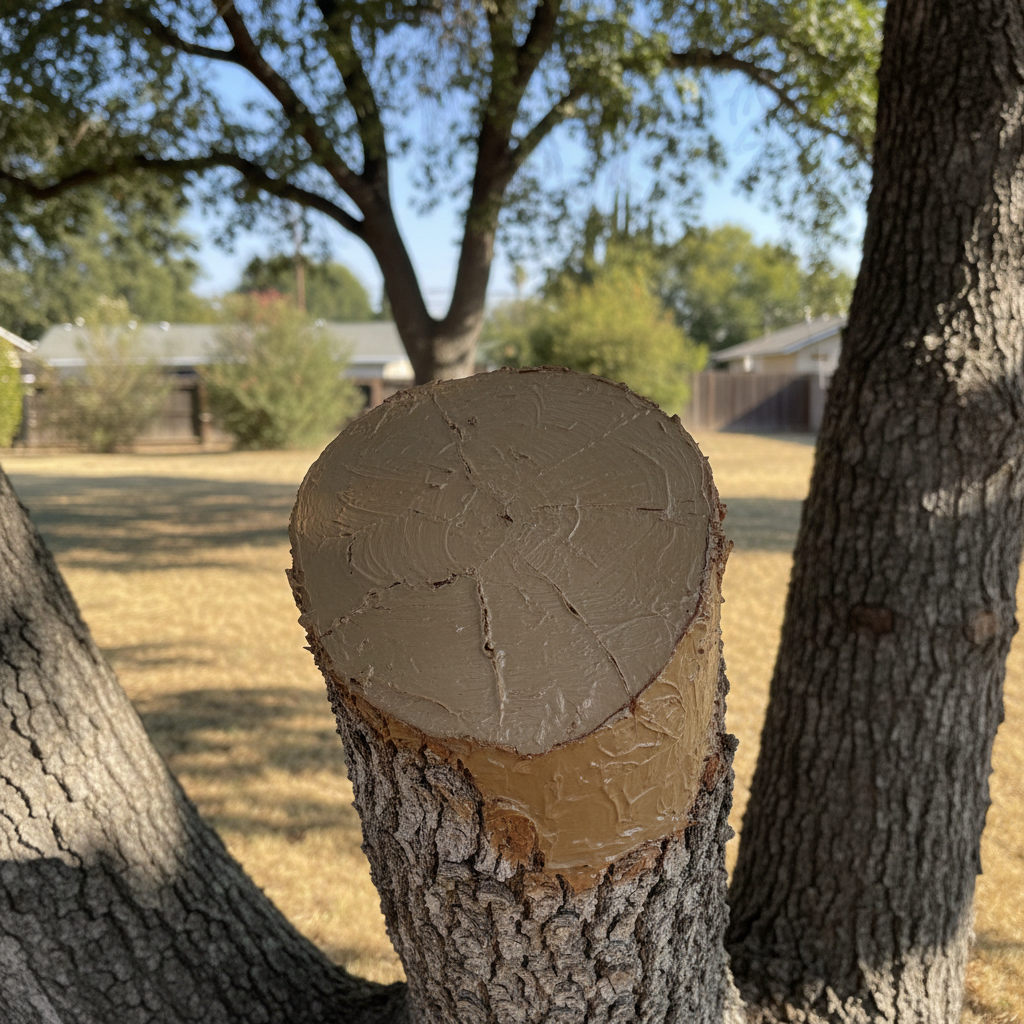
Let us talk about trees. You have trees on your property here in Atwater. You want these trees to look good as well as stay healthy. It is not just about how your property looks. Healthy trees add value to your home as well as provide shade. They also make our neighborhoods nicer places to live. Knowing what to do and when to call for help can be tricky. We have been in this business a long time. Our team has seen a lot of things. We will explain it all for you.
Before You Start: Planning for Success
You might be thinking about planting a new tree. You might also want to get ahead of potential problems with your existing trees. This is a good thing to do. A little planning goes a long way for your Atwater trees.
Picking the Right Tree for Atwater
This is an important step. It is especially important in our Central Valley climate. We deal with hot, dry summers here in Atwater. We also have that famous Atwater sandy soil. You do not want to plant something that will struggle. It should not constantly need a ton of water or special care. Think about drought-tolerant trees. California sycamores are good examples of trees that can handle our conditions once they are established. Purple-leaf acacias as well as California buckeyes also work well. Even the California fan palm, which is the only native palm to our state, is very resilient. You must consider the mature size of the tree. Do not put a giant shade tree where it will eventually hit your house. It should also not hit power lines. Our team has seen that mistake many times.
Understanding Your Soil
Our soil here in Atwater is generally well-drained. It is also sandy. This is good for drainage. However, it can mean water as well as nutrients move through it quickly. In some spots, especially in the northeast part of town, you might even find a hardpan layer a few feet down. This can affect drainage. Knowing your soil type helps you figure out how often to water. It also helps you decide if you need to amend the soil when planting your Atwater trees.
During the Project: What You Can Do & When to Call Coastal Tree
So you have your trees. You might also be ready to plant new trees. What is the next step for your Atwater property?
Watering Wisely
Watering is very important. It is especially important here in Atwater. Young trees, from 0 to 3 years old, need consistent watering. They need about 5 gallons of water 2 to 4 times a week. This helps them get their roots established. For mature trees, deep, infrequent watering is the key. You want to soak the soil out to the drip line. This is the edge of the canopy. You should soak it until the water goes 12 to 18 inches deep. Do not just hit your trees with the sprinkler every day. That encourages shallow roots. Use a soaker hose or a drip system instead. You can check if your tree needs water by poking a long screwdriver into the soil near the drip line. If it is hard and crumbly 6 inches down, it is time to water. Remember our city's watering restrictions. There is no watering between 10 AM and 5 PM. There are also specific days for odd or even addresses. Do not waste water. It is a precious resource here in Atwater.
Mulching for Health
A 4 to 6 inch layer of organic mulch around the base of your trees works very well. It helps the soil hold moisture. It also keeps the soil temperature steady. In addition, it keeps weeds down. Just make sure you do not pile it right up against the trunk. Leave a few inches of space to prevent rot on your Atwater trees.
Spotting Trouble: When to Act
You are out in your yard. You are enjoying the shade from your trees. However, you should keep an eye on your trees. They will tell you when something is wrong. Here are some red flags to watch for:
- Leaves looking off: You might see yellowing, browning, or wilting leaves. Leaves might also drop prematurely. This can signal nutrient issues. It can also signal pests or disease.
- Dead or dying branches: A few dead twigs are normal. However, large dead branches or many small ones without leaves are a problem.
- Bark issues: Look for cracks, peeling, or holes in the bark. Strange growths like fungi on the trunk or at the base are also a concern.
- Thinning canopy: If your tree looks sparse or has bare patches, it is stressed.
- Leaning: A sudden lean or soil heaving around the roots means big trouble for your Atwater tree.
Some common pests as well as diseases we see in California include Sudden Oak Death. We also see various bark beetles, like the Goldspotted Oak Borer. Anthracnose is another issue. These can cause symptoms like bleeding cankers. They can also cause D-shaped holes in bark or discolored leaves.
When to Call a Pro (That's Coastal Tree!)
You can handle a lot of basic tree care yourself. However, there are definitely times when you need to bring in an ISA Certified Arborist. That is what we are at Coastal Tree. You should call us if you see any of those serious signs of disease or pest infestation. We can diagnose the problem as well as recommend treatment. You should also call us if branches are large, dead, or hanging over your house. This also applies if they are over power lines or other structures. This is a safety hazard. It is not a do-it-yourself job. Your tree might also have storm damage and look unstable. Coastal Tree can help with that. You might be thinking about planting a new tree. You might want advice on species selection as well as placement. This is especially true if it is a big investment. You also need a tree removed. This is almost always a job for professionals because of the danger involved. You might also need significant pruning that cannot be done safely from the ground. Coastal Tree has the equipment as well as the know-how to handle these situations safely. We also handle them effectively. Trying to tackle a big tree job yourself can be dangerous. It can also be costly if something goes wrong.
After the Project: Ongoing Care
Once you have planted a tree, or had work done, it is all about consistent, sensible care. Keep up with that deep watering. This is especially important during our dry spells in Atwater. Continue to inspect your trees regularly for any changes. Early detection of problems can save your tree. It can also save your wallet in the long run. Do not fertilize during dry spells. This encourages growth that needs more water. Just keep your trees watered and healthy. They will take care of you.