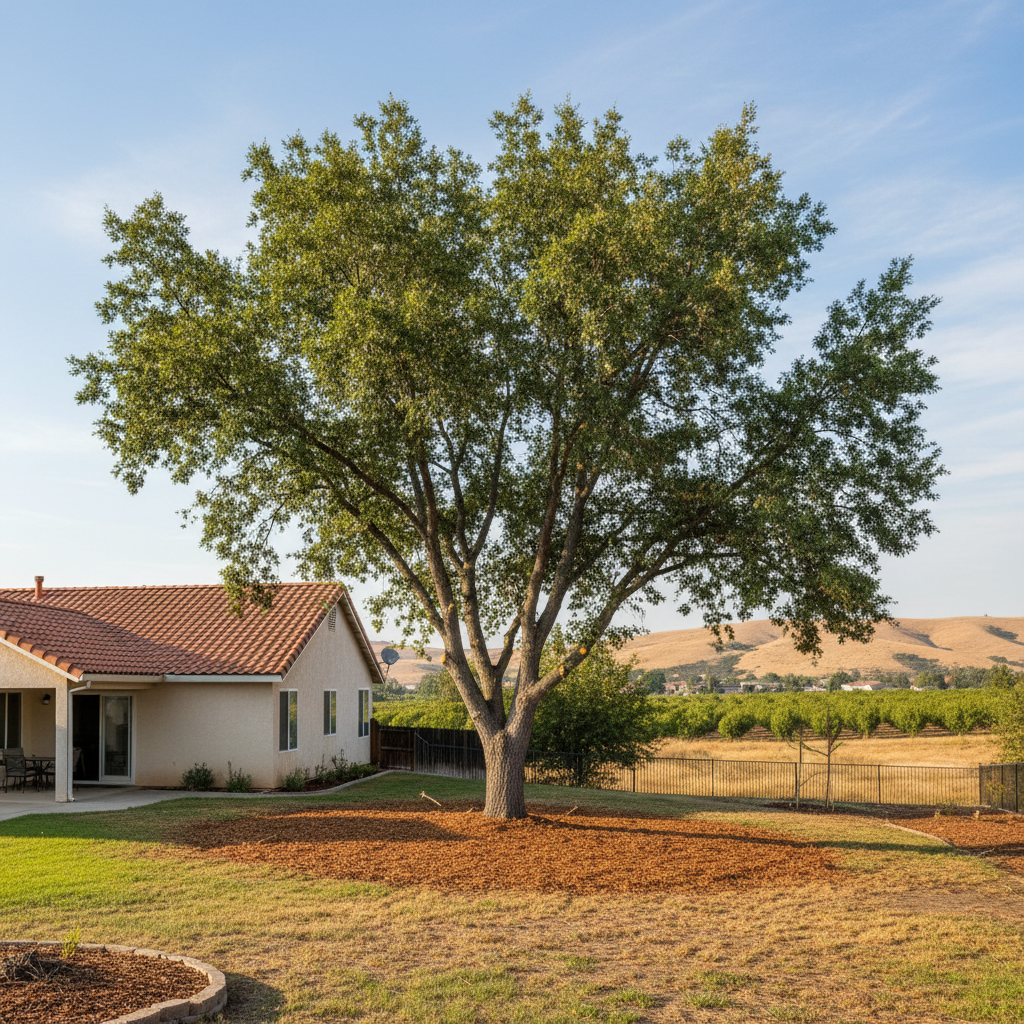
You have invested in getting your trees trimmed the right way. Maybe you had us here at Coastal Tree do the work. That is a smart decision for safety as well as for health and curb appeal. But here is the thing about tree trimming: it is not a one-and-done job. You can think of it like getting your car serviced. You still need to do oil changes as well as tire rotations, right? The same idea applies to your trees, especially with the kind of weather we get here in Atwater.
Extending the Life of Your Tree Trimming Work
You want those benefits of a good trim to last. We understand that completely. The biggest thing you can do to extend the life of the work we have done is to understand the timing as well as follow up with proper care. Our team aims for clean, strategic cuts that promote healthy growth. We do not just hack away at branches. This means we are setting your tree up for success, but it needs your help to keep that momentum going.
- Watering is Important (Especially Here): Our dry, hot Atwater summers are very intense. Trees get stressed in this heat. Stressed trees are vulnerable to problems. Proper watering is important. For established trees, you want deep, infrequent watering out to the drip line. That is the edge of the tree's canopy. Do not just sprinkle the surface. You need to get that water down 12-18 inches into the soil. You can use a soaker hose as well as a drip system. Young trees need about 5 gallons of water 2-4 times a week. A good trick is to use a 5-gallon bucket with a small hole drilled in the bottom. This lets it slowly drain. Remember, our local Atwater soils, which often come from granitic alluvium and sometimes have a lot of clay, can have different drainage. You do not want water sitting around the trunk, especially in those clay pockets. Saturated soil can lead to root rot. You should let the soil dry out a bit between waterings. Tree roots need oxygen too!
- Mulch, Mulch, Mulch: This is a big help for your trees. A 4-6 inch layer of mulch around the base of your tree helps keep moisture in. Make sure the mulch does not touch the trunk. It also controls soil temperature as well as keeps weeds down. This means less water evaporation. It also means happier roots. This translates to a healthier tree that can recover better from trimming. It will also withstand our Atwater climate better.
- Do Not Over-Fertilize: After a trim, a tree's main focus should be on healing. It also needs to consolidate its energy. Too much fertilizer, especially during dry periods, can encourage new, weak growth. This new growth needs more water. It is also more susceptible to pests. If you are unsure, it is always best to talk with a professional.
What Regular Maintenance Looks Like for Atwater Trees
Beyond the first trim, regular check-ups are important. For most trees in Atwater, trimming every 3 to 5 years is a good general guide. This can change based on the tree's species as well as its age. Younger trees might need a bit more shaping. Older, mature trees can sometimes go longer between trims.
- Visual Inspections: Take a walk around your property once a month. Look at your trees closely. Are the leaves a healthy color? Is the bark intact? Are there any strange growths or oozing? Catching problems early can save you a lot of trouble as well as money later on.
- Clearing Debris: Keep the area around the base of your trees clear. This means no weeds as well as no excessive leaf litter. This helps with air circulation. It also reduces hiding spots for pests.
- Seasonal Awareness: The best time for general tree trimming in Atwater is usually during the dormant season. This is late fall to early spring, from November through March. This minimizes stress on the tree. It also reduces the risk of pest infestation. However, hazardous or dead branches should be removed any time of year for safety reasons. For native oaks, summer dormancy, from July to October, is often recommended. This protects them from diseases.
Warning Signs of Tree Problems
Your trees usually tell you when something is wrong. You just need to know what to look for. Do not ignore these signals:
- Unusual Leaf Changes: If leaves are yellowing or browning when they should not be, that is a red flag. Wilting leaves despite enough watering, or leaves dropping too early, also mean something is wrong.
- Thinning Canopy: A tree's canopy should be full and lush. If it starts looking sparse, or has noticeably fewer leaves than usual, something is off.
- Bark Issues: Cracks, splits, peeling bark, sunken areas, or dark bleeding cankers on the trunk or branches are serious signs. These can mean disease as well as structural issues.
- Dead or Dying Branches: Isolated dead branches are a problem. But if multiple branches are dying back, it shows a larger issue with the tree's health.
- Fungal Growths: Mushrooms or other fungal bodies growing at the base of the tree or on the trunk can signal internal decay.
- Oozing Sap or Sawdust: These can be signs of pest infestations. Bark beetles or borers are common in California, especially in drought-stressed trees.
- Sudden Leaning or Soil Movement: If a tree suddenly starts leaning, or you see soil mounding or cracking around the base, that means the root system is unstable. The tree could fall.
When to Call a Professional (Like Us!)
We believe homeowners should be proactive. But there are definitely times when you need to call in the professionals. Trying to handle certain tree issues yourself can be dangerous. It can also do more harm than good. Here is when you should pick up the phone:
- Large or Hazardous Branches: If you have branches that are dead, broken, or hanging precariously, do not mess with them. This is especially true near your home, power lines, or walkways. That is a job for trained professionals with the right equipment.
- Signs of Disease or Pests: If you are seeing any of those warning signs we just mentioned, get an arborist out there. This includes unusual leaf changes, bark problems, fungal growth, or insect activity. We can diagnose the problem. We can also recommend the right treatment before it gets worse. Diseases like Sudden Oak Death or Phytophthora root rot are serious in California. They need expert attention.
- Structural Concerns: Cracks in the trunk, splitting limbs, or a tree that is leaning a lot are major safety hazards. We can assess the tree's stability. We can also recommend cabling, bracing, or removal if necessary.
- Storm Damage: After a big storm, a tree might have hidden damage even if it looks okay. We can inspect it for internal issues. We can also remove any hazards. Here in Atwater, high winds as well as heavy rains can really cause problems.
- Major Pruning or Removal: If you are planning any big pruning, especially on a mature tree, always call a certified arborist. This also applies if a tree needs to be removed. Improper cuts can permanently damage a tree. Removals are also dangerous.
- Proximity to Structures or Power Lines: If branches are growing too close to your house, roof, or utility lines, it is a hazard. This needs professional attention.
At Coastal Tree, we are here to help Atwater homeowners keep their trees healthy as well as safe. Do not hesitate to reach out if you are ever unsure about the health of your trees. You can also call us if you need expert advice. We would rather you call us for an inspection than face a costly emergency later on.