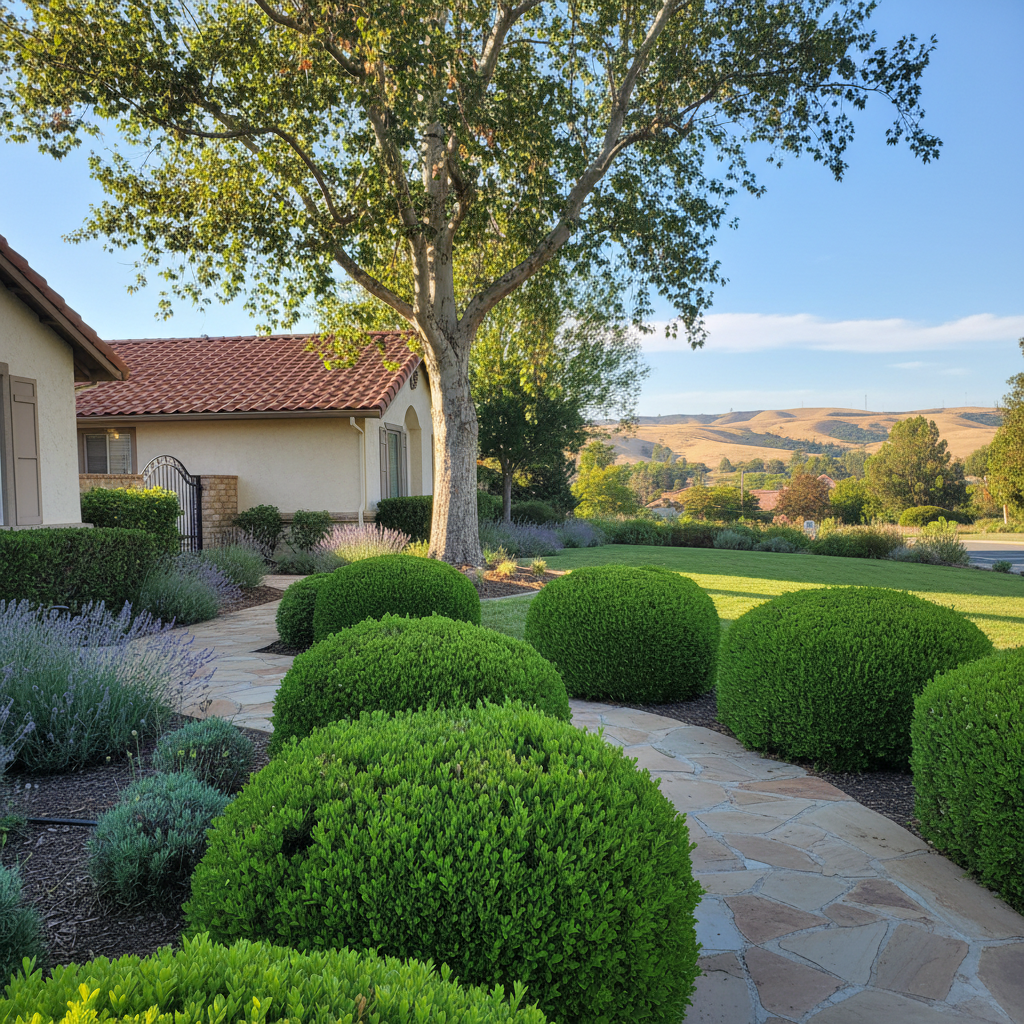
You just had your shrubs and bushes trimmed, and they look fantastic. Clean lines, healthy growth, everything's neat. But how do you keep them that way? It's not just about the big trim; it's about what you do in between. Especially here in Atwater, with our hot summers and sometimes unpredictable winters, a little ongoing care goes a long way.
Extending the Life of Your Trimmed Shrubs
The biggest thing you can do to make a professional trim last is to understand how your plants grow. Most shrubs, once they've been shaped, will try to put out new growth pretty quickly. This is especially true for fast-growing varieties like oleander or privet, which are common around Atwater, particularly in those older neighborhoods near Highway 99. To keep that nice shape, you're looking at what I call 'light touch-ups.' This isn't a full re-trim; it's just snipping off those rogue shoots that pop up and mess with the clean lines.
Think of it like getting a haircut. You don't get a full cut every month, but you might trim your bangs or the hair around your ears to keep it looking tidy. Same idea here. Doing these small snips regularly, maybe every few weeks during peak growing season (spring and early summer), keeps the plant from getting unruly too fast. It also encourages denser, healthier growth within the desired shape, rather than letting it get leggy and sparse.
Regular Maintenance: What You Should Be Doing
Beyond those light touch-ups, there are a few other things that'll help your shrubs stay in top shape:
- Watering: Even though many shrubs are drought-tolerant, they still need water, especially after trimming. New growth needs moisture. In our Atwater heat, deep, infrequent watering is better than shallow, frequent sprinkles. Check the soil; if it's dry a few inches down, it's time to water.
- Fertilizing: Don't overdo it. A balanced, slow-release fertilizer in early spring can give them a boost. But if your shrubs are already healthy and growing well, you might not even need it. Too much fertilizer can encourage excessive growth, meaning more trimming for you.
- Weeding: Keep the area around your shrubs clear. Weeds compete for water and nutrients, and they can also harbor pests. A good layer of mulch (2-3 inches, kept away from the base of the plant) helps a lot with this, and it also conserves moisture.
- Inspecting: Just take a look at your shrubs every now and then. Walk around them. Are there any dead branches? Discolored leaves? This quick check can catch problems early.
Warning Signs of Problems
Your shrubs will usually tell you when something's not right. You just have to know what to look for:
- Yellowing or Browning Leaves: This could be a sign of overwatering, underwatering, or nutrient deficiency. If the leaves are yellow with green veins, it might be an iron deficiency, which I see sometimes in our more alkaline Atwater soils.
- Wilting: If the leaves are drooping, it's often a sign of thirst. But if the soil is wet, it could be root rot from too much water.
- Spots or Unusual Growths: Fungal diseases can cause spots on leaves. If you see powdery white stuff, that's usually powdery mildew. Little bumps or sticky residue could mean pests like aphids or scale.
- Bare Branches or Dieback: If parts of the shrub are suddenly dying off, or you see branches without any leaves, that's a red flag. It could be disease, severe pest infestation, or even damage from improper trimming in the past.
- Lack of New Growth: If a shrub that should be growing isn't putting out new shoots, it might be stressed or not getting what it needs.
When to Call a Professional
Look, I'm all for homeowners doing their own maintenance. It saves you money, and it's satisfying. But there are times when you really should pick up the phone and call someone like us at Coastal Tree.
First, if you're seeing those warning signs and you can't figure out what's going on, or your usual remedies aren't working, that's a good time. We've seen just about every shrub problem in Atwater, and we can usually diagnose it pretty quick and recommend a treatment plan.
Second, if a shrub has grown too large or is just completely out of control, trying to tackle a major reduction yourself can be dangerous for you and bad for the plant. Large cuts need to be made correctly to avoid damaging the plant long-term. You don't want to hack at it and end up with a sickly, ugly bush.
Third, if you've got a lot of shrubs, or they're particularly tall or difficult to reach, it might just be easier and safer to have us come out. We've got the right tools and the experience to get it done efficiently and safely. We'll get 'em shaped up right, and then you can take over with those regular touch-ups to keep them looking great until the next big trim.